How to take care of a senior German Shepherd?
Your German Shepherd's senior years require special care adjustments. Learn essential tips for managing joint health, nutrition, exercise, and comfort as your loyal companion ages gracefully.
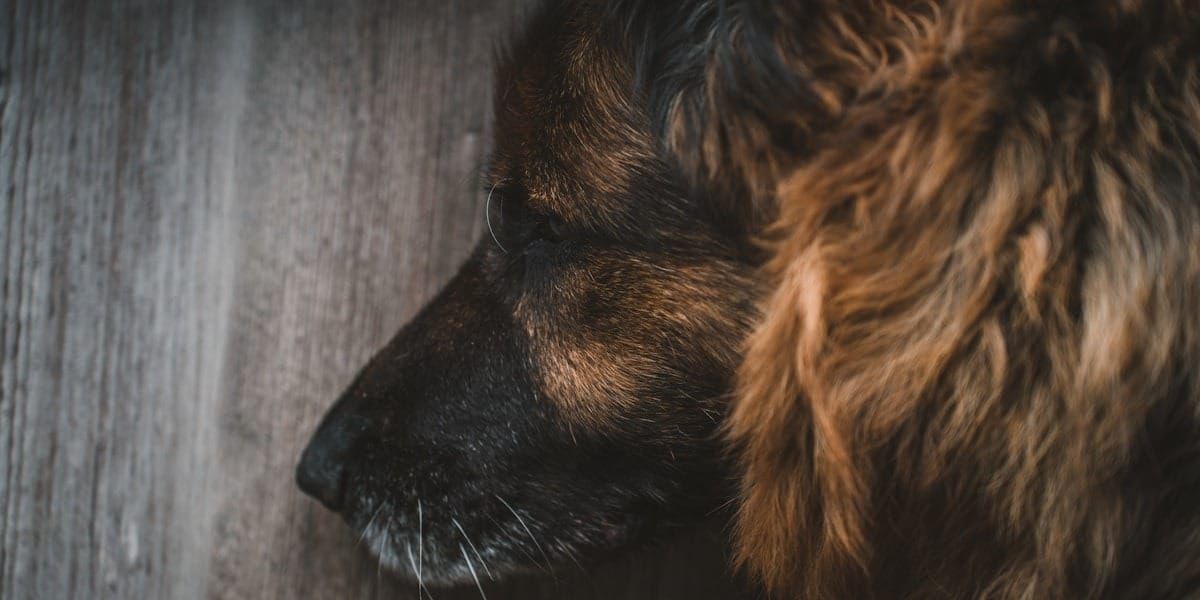
Caring for a senior German Shepherd requires understanding their unique aging needs and making thoughtful adjustments to their daily routine. These loyal companions typically enter their senior years around 7-8 years old, and with proper care, they can maintain their quality of life well into their golden years.
German Shepherds age differently than smaller breeds, and their large size makes them prone to specific health challenges as they get older. The key to successful senior care lies in proactive management of their physical comfort, mental stimulation, and overall health monitoring.
Understanding When Your German Shepherd Becomes a Senior
German Shepherds are generally considered seniors when they reach 7-8 years old, though some may show aging signs earlier due to genetics or previous health issues. Unlike smaller dogs that might not show senior symptoms until 10-12 years, large breeds like German Shepherds age more rapidly.
You'll notice the transition isn't sudden but gradual. Your once-energetic companion may take longer to get up from lying down, show less enthusiasm for long hikes, or need more frequent rest periods during play. These changes are normal parts of aging, not necessarily signs of illness.
Early recognition of senior status allows you to make preventive adjustments before major problems develop. The sooner you adapt their care routine, the better their long-term comfort and health outcomes will be.
Managing Joint Health and Mobility Issues

Hip dysplasia, elbow dysplasia, and arthritis are common concerns in aging German Shepherds. These conditions can significantly impact their mobility and quality of life if not properly managed.
Watch for subtle changes in movement patterns:
- Stiffness after lying down, especially in the morning
- Reluctance to climb stairs or jump into vehicles
- Slower pace during walks
- Difficulty rising from a lying position
- Limping or favoring one leg
Veterinarians often recommend joint supplements containing glucosamine and chondroitin sulfate to support cartilage health. Some dogs benefit from omega-3 fatty acids, which have anti-inflammatory properties that may help reduce joint discomfort.
Creating a Mobility-Friendly Environment
Make your home more accessible for your senior German Shepherd. Install ramps instead of requiring them to use stairs, provide orthopedic bedding to cushion their joints, and consider non-slip rugs on smooth floors to prevent falls.
Low-impact exercise becomes crucial during the senior years. Swimming is excellent for maintaining muscle tone without stressing joints, while shorter, more frequent walks can keep them active without overexertion. Senior Dog Panting at Night and Drinking Lots of Water can sometimes indicate joint pain affecting their sleep quality.
Nutritional Needs for Senior German Shepherds
Senior German Shepherds require dietary adjustments to maintain optimal health. Their metabolism typically slows down, meaning they need fewer calories to prevent weight gain, which puts additional stress on aging joints.
High-quality senior dog food formulated for large breeds addresses their specific nutritional needs. These foods typically contain:
- Reduced calories but maintained protein levels
- Enhanced joint-supporting nutrients
- Easily digestible ingredients
- Antioxidants to support cognitive function
Weight management becomes critical in senior years. Even a few extra pounds can significantly worsen joint problems and increase the risk of other health issues. Your veterinarian can help determine the ideal weight and caloric intake for your individual dog.
Consider switching to smaller, more frequent meals rather than one or two large portions. This approach can improve digestion and help maintain steady energy levels throughout the day.
Monitoring for Age-Related Health Conditions

German Shepherds are predisposed to several conditions that commonly appear in their senior years. Being aware of these helps you catch problems early when treatment is most effective.
Degenerative myelopathy is a progressive spinal cord condition that affects many senior German Shepherds. Early signs include weakness in the rear legs and difficulty coordinating movement. While there's no cure, physical therapy and supportive care can help maintain function longer.
Cognitive Changes and Mental Health
Signs of Canine Dementia in Senior Dogs can include disorientation, changes in sleep patterns, altered interactions with family members, and house training accidents. Mental stimulation through puzzle toys and gentle training exercises can help maintain cognitive function.
Digestive sensitivity often increases with age. Your German Shepherd might develop food sensitivities they never had before, or experience more frequent stomach upset. A consistent, high-quality diet helps minimize digestive issues.
Vision and hearing decline are common in senior dogs. You'll notice they don't respond to visual cues as quickly or may not hear you calling from across the room. These changes require patience and adjustments to how you communicate with them.
Exercise Modifications for Senior German Shepherds
Exercise remains important for senior German Shepherds, but the approach needs modification. The goal shifts from high-intensity activities to maintaining muscle tone, joint mobility, and mental engagement.
Replace long hiking sessions with multiple shorter walks throughout the day. This approach provides exercise benefits without overwhelming their aging bodies. Pay attention to weather conditions – extreme heat or cold can be harder for senior dogs to tolerate.
Swimming provides excellent low-impact exercise that supports muscle maintenance without stressing joints. Many communities have dog-friendly pools or hydrotherapy facilities specifically designed for canine rehabilitation and fitness.
Mental exercise becomes increasingly important as physical abilities decline. Training sessions using positive reinforcement, puzzle feeders, and new (but gentle) experiences help keep their minds sharp and engaged.
Creating Comfort in Their Golden Years

Senior German Shepherds benefit from environmental modifications that support their changing needs. Orthopedic bedding helps cushion joints during rest, while elevated food and water bowls reduce strain on their neck and back during meals.
Temperature regulation becomes more challenging for senior dogs. They may need extra warmth in winter or additional cooling options in summer. Heated beds or cooling mats can provide comfort during extreme weather.
Regular grooming takes on added importance as senior dogs may have difficulty maintaining their coat condition. Brushing helps remove loose fur, stimulates blood circulation, and provides an opportunity to check for lumps, bumps, or skin changes that need veterinary attention.
Preventive Veterinary Care
Free & Affordable Pet Care Resources for Seniors can help manage the increased veterinary costs that often accompany senior dog care. Regular checkups become more frequent – typically every six months instead of annually.
Blood work helps detect early signs of organ dysfunction, diabetes, or other systemic conditions before symptoms become obvious. Early detection often means more treatment options and better outcomes.
Dental care requires special attention in senior years. Dental disease can affect overall health and make eating uncomfortable. Professional cleanings and at-home dental care help maintain oral health, though your veterinarian may recommend modified approaches for dogs with heart or other health conditions.
Recognizing When Quality of Life Changes
As much as we want our German Shepherds to live forever, part of responsible senior care involves honestly assessing their quality of life. Signs Your Senior Dog is Healthy at Night can help you monitor their overall well-being during their most comfortable hours.
Watch for changes in appetite, bathroom habits, mobility, and social interaction. While some decline is normal with aging, sudden changes or progressive worsening may indicate treatable conditions or quality of life concerns that warrant veterinary discussion.
Good days should still outnumber difficult days. If your German Shepherd shows interest in food, enjoys gentle activities, and seeks interaction with family members, they're likely maintaining good quality of life despite physical limitations.
Frequently Asked Questions
At what age are German Shepherds considered old?
German Shepherds are generally considered seniors at 7-8 years old, which is earlier than smaller dog breeds. Large breed dogs like German Shepherds have shorter lifespans and begin showing aging signs sooner. However, individual dogs may vary based on genetics, overall health, and lifestyle factors throughout their younger years.
At what age do German Shepherds start to decline?
Most German Shepherds begin showing subtle signs of aging around 6-7 years old, with more noticeable decline typically starting around 8-9 years. Early signs include taking longer to get up, reduced enthusiasm for intense exercise, and minor stiffness after rest periods. The decline is usually gradual rather than sudden.
What happens to German Shepherds when they get old?
Aging German Shepherds commonly develop joint problems like arthritis and hip dysplasia, which can affect their mobility. They may also experience cognitive changes, digestive sensitivity, vision or hearing loss, and decreased muscle mass. Their energy levels typically decrease, and they require more rest between activities.
What is the main cause of death for German Shepherds?
Cancer is the leading cause of death in German Shepherds, particularly hemangiosarcoma and osteosarcoma. Other common causes include bloat (gastric dilatation-volvulus), heart disease, and complications from degenerative myelopathy. Regular veterinary checkups help detect these conditions early when treatment options are most effective.
How long do purebred German Shepherds usually live?
Purebred German Shepherds typically live 9-13 years, with most averaging around 10-11 years. Factors affecting lifespan include genetics, diet, exercise, healthcare, and whether they develop breed-specific health conditions. Dogs from reputable breeders who health test their breeding stock often have better longevity prospects.
What not to do with a senior dog?
Avoid forcing intense exercise or activities that cause pain, making sudden dietary changes without veterinary guidance, skipping regular veterinary checkups, ignoring changes in behavior or appetite, and allowing significant weight gain. Don't assume all changes are "just old age" – many age-related conditions are treatable when caught early.
At what age do German Shepherds start to slow down?
German Shepherds typically begin slowing down around 7-8 years old, though some may show changes as early as 6 years or as late as 9 years. The slowing usually starts subtly – shorter play sessions, longer recovery times after exercise, and preference for gentler activities over high-intensity games.
Caring for your senior German Shepherd requires patience, adaptation, and a commitment to their comfort and well-being. With thoughtful adjustments to their routine and proactive healthcare, you can help your loyal companion enjoy their golden years with dignity and contentment. Remember that every dog ages differently, so work closely with your veterinarian to create the best care plan for your individual German Shepherd's needs.


