What Causes Ear Infections in Labs?
Labrador Retrievers are prone to ear infections thanks to their floppy ears, love of water, and allergies—and senior Labs face even higher risk. Here's what causes it and how to protect your dog's ears.

If you share your life with a Labrador Retriever, you already know those floppy ears are adorable. Unfortunately, that same ear shape traps moisture and blocks airflow, creating the perfect breeding ground for bacteria and yeast. This is why Labs—especially senior Labs—are so prone to painful, recurring ear infections.
As your dog ages, the skin inside the ear canal becomes thinner and less resilient, and the immune system doesn't fight off invaders the way it used to. That combination makes ear infections more common and more stubborn in older Labs than in young, healthy dogs.
Why Labs Are So Prone to Ear Infections
Labrador Retrievers have a unique combination of traits that make their ears vulnerable. Understanding these causes can help you catch problems early and keep your senior dog comfortable.
Floppy Ear Shape
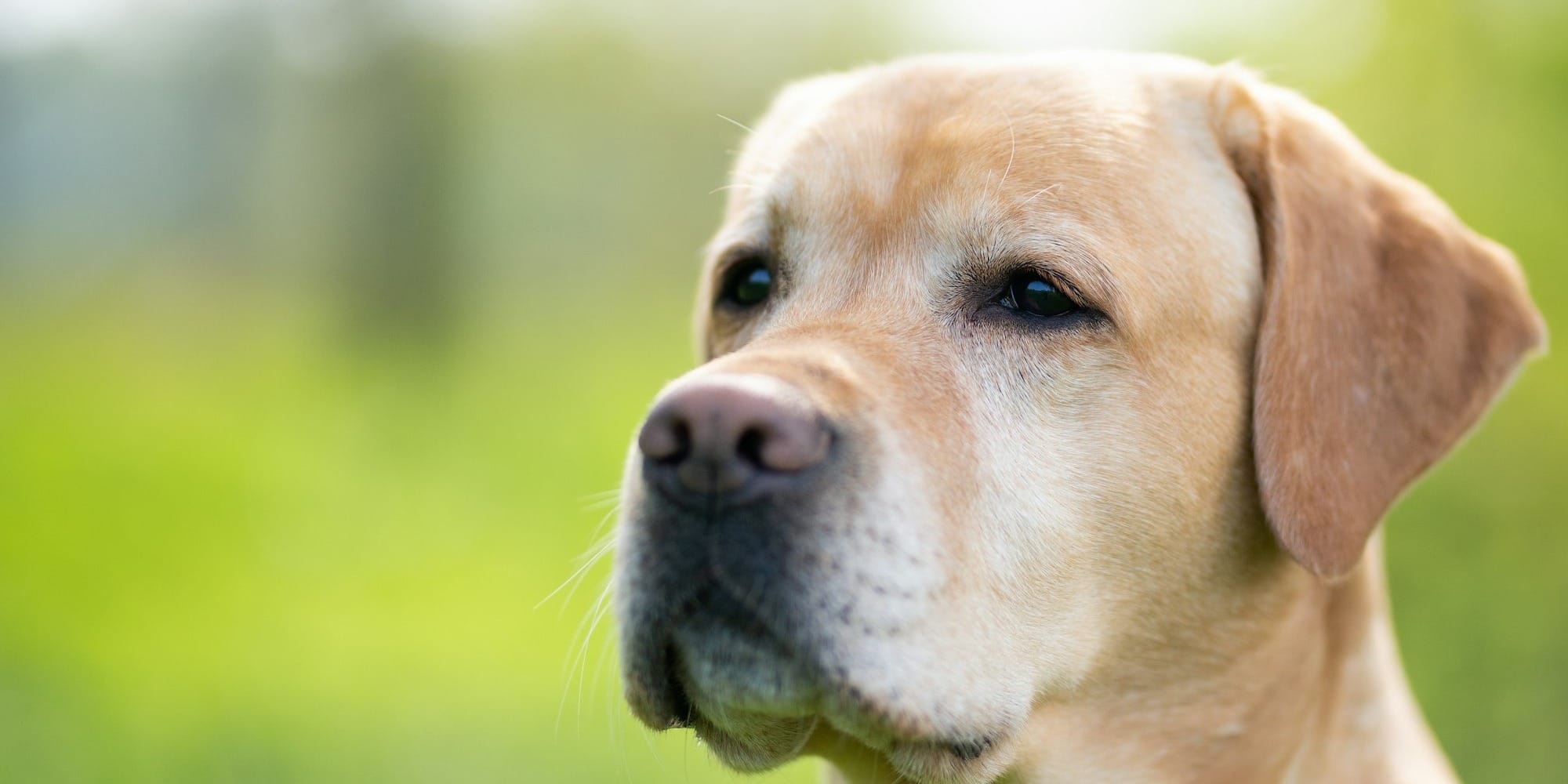
A Lab's drop ears cover the ear canal, limiting airflow and trapping warm, humid air inside. Veterinarians recommend thinking of this ear shape as a natural "greenhouse" for bacteria and yeast.
Without good ventilation, moisture has nowhere to go. This creates the damp, warm environment that infections thrive in.
Water-Loving Nature
Labs are famous for loving the water, and that love doesn't fade much with age. Every swim, bath, or rainy walk sends water straight into those ear canals.
If moisture isn't dried out properly afterward, it sits inside the canal and softens the skin, making infection far more likely.
Allergies
Allergies are one of the most common underlying causes of chronic ear infections in Labs. Environmental allergens like pollen, dust mites, and mold can inflame the ear canal.
Food allergies can also play a role, especially in senior dogs whose digestive systems have become more sensitive over the years. According to the AKC, allergy-related skin and ear issues tend to worsen with age if left unaddressed.
Excess Wax and Oil Production
Some Labs naturally produce more earwax than other breeds. As dogs get older, wax production and skin oils can shift, sometimes increasing buildup inside the canal.
That extra wax becomes a food source for yeast and bacteria if it isn't cleaned out regularly.
Weakened Immune Response in Senior Dogs
An aging immune system doesn't fend off invaders as efficiently as a younger one. This means minor irritations that a young Lab's body would clear on its own can spiral into full infections in a senior dog.
Studies show that chronic low-grade inflammation, sometimes called "inflammaging," becomes more common in older dogs and can make ears more reactive and infection-prone.
Hormonal or Endocrine Issues
Older Labs are more likely to develop conditions like hypothyroidism, which can affect skin health throughout the body, including inside the ears. This is one reason unexplained, recurring ear infections in a senior dog are worth discussing with your veterinarian.
Hidden Pain and Discomfort
Ear infections are painful, and older dogs are often less obvious about showing it than puppies. If you're wondering how would I know if my elderly dog is in pain, watch for head shaking, pawing at the ear, or reluctance to be touched near the head.
Common Signs of an Ear Infection in Senior Labs

Catching an infection early makes treatment much easier on your dog. Watch for these signs:
- Frequent head shaking or tilting
- Scratching or pawing at one or both ears
- Redness or swelling inside the ear flap
- Dark discharge or unusual odor
- Whining or pulling away when the ear is touched
- Loss of balance in more severe cases
Some senior dogs express discomfort in subtle ways, like low moaning or groaning. It's worth learning more about whether dogs groan when in pain so you can recognize these quieter cues.
How to Prevent Ear Infections in Labs
Prevention is always easier than treatment, especially for older dogs whose bodies take longer to heal. Here are steps veterinarians commonly recommend:
- Dry ears thoroughly after every swim or bath using a soft towel or cotton ball.
- Clean ears regularly with a vet-approved cleaning solution, not water alone.
- Check ears weekly for redness, odor, or discharge, especially in senior dogs.
- Manage allergies with your veterinarian's guidance, since untreated allergies are a top driver of chronic infections.
- Trim excess hair around the ear opening if your vet recommends it for better airflow.
- Schedule regular veterinary checkups so early inflammation is caught before it becomes a full infection.
- Feed a high-quality diet to support skin and immune health. If you're unsure where to start, this guide on the healthiest food for a senior dog is a helpful resource.
Consistency matters more than any single product. A simple weekly routine goes a long way in protecting your senior Lab's ears.
What to Do If Your Senior Lab Has an Ear Infection
If you notice symptoms, don't wait it out. Ear infections rarely resolve on their own, and untreated infections can lead to permanent hearing damage or chronic disease in older dogs.
- Call your veterinarian promptly. A proper diagnosis often requires examining the ear canal and sometimes testing a sample of discharge.
- Avoid home remedies without guidance. Some over-the-counter products can worsen inflammation if the eardrum is affected.
- Follow the full treatment plan. Skipping doses or stopping early is one of the biggest reasons infections return.
- Watch for pain signals. If your dog seems especially uncomfortable, ask your vet what you can safely give for relief. This overview on what can I give my dog for immediate pain relief explains what's generally considered safe under veterinary supervision.
- Keep the ear dry during treatment to help the medication work properly.
Because senior dogs often have other health conditions, your veterinarian may want to rule out thyroid issues or other underlying disease before finalizing treatment.
When an Ear Infection Signals a Bigger Problem
Occasionally, chronic ear infections in senior dogs point to a larger decline in overall health. If your dog is dealing with ear infections alongside other symptoms like appetite loss, confusion, or reduced mobility, it may be time to evaluate the full picture.
This guide on signs a dog's quality of life is declining can help you have an informed conversation with your veterinarian about your dog's overall wellbeing.
FAQ

Why does my lab get ear infections?
Labs are prone to ear infections mainly because of their floppy ear shape, which traps moisture and limits airflow. Add in their love of water, tendency toward allergies, and (in senior dogs) a weaker immune response, and you have a breed that's simply more susceptible than most. Regular ear checks and prompt veterinary care are the best defense.
How to prevent labs from getting ear infections?
Prevention comes down to keeping ears clean and dry. Dry your dog's ears thoroughly after swimming or bathing, clean them weekly with a vet-approved solution, and manage any underlying allergies with your veterinarian's help. Regular checkups also allow your vet to catch early inflammation before it turns into a full infection.
What breed of dog gets the most ear infections?
Breeds with floppy or hairy ears tend to suffer the most, including Labrador Retrievers, Cocker Spaniels, Basset Hounds, and Poodles. According to the AKC, ear shape and hair growth patterns play a major role in how much airflow reaches the ear canal, directly affecting infection risk.
What to do for a lab with an ear infection?
The first step is always a call to your veterinarian, since ear infections need proper diagnosis and targeted treatment. Avoid self-treating with random home remedies, as this can sometimes make things worse. Once your vet prescribes a treatment plan, stick with it fully, keep the ear dry, and monitor your dog for signs of pain or discomfort.
A Final Word
Ear infections are uncomfortable, but with a little vigilance, they're very manageable for your senior Lab. Regular ear checks, prompt veterinary care, and a consistent at-home routine can make a real difference in your dog's comfort and quality of life. Your Lab has given you years of loyalty and love—giving those floppy ears a little extra attention is one small way to return the favor.


